

Scroll
What does a standard mean?
In the European Directive 98/34/EC a standard is defined as "the technical specification - approved by a recognised standardisation body for repeated or continuous application, with which compliance is not compulsory and which is one of the following:
• International Standard (e.g. ISO);
• European Standard (e.g. EN);
• national standard (e.g. BS in the United Kingdom, DIN in Germany, CEI or UNI in Italy, NF in France,...)".
Are standards mandatory?
No, standards are by definition of voluntary application. For planners, installers and users, however, the compliance of a product with the standards is the best guarantee. In fact, standards are written according to the "state of the art" of the technology in each industrial sector and accurately define quality, performance and conditions of safe use of a product.
Which standards does the KNX system comply with?
KNX is a worldwide approved international standard for home and building control, as it is a system approved as:
- International Standard (ISO/IEC 14543-3)
- European Standard (CENELEC EN 50090 and CEN EN 13321-1)
- US Standard (ANSI/ASHRAE 135)
- Chinese Standard (GB/Z 20965)
What advantages do I have choosing standard-compliant products?
Standards are elaborated according of the interests of the entire economic system. That is why standards offer many advantages:
• increasing the safety of products;
• providing a permanent incentive to search for the best quality;
• contributing to the reduction of production costs or dispensing service or process organization;
• encouraging economies of scale;
• facilitating compliance with European legislation on the manufacturers’ side;
• promoting interoperability of products and services;
• encouraging more competition;
• facilitating free trade in all the countries that adopt them;
• promoting safety and ecological sustainability;
• protecting the environment;
• reflecting the current stage of research and development;
• ensuring better working conditions;
• promoting a common understanding.
(source: "Le regole del gioco", © 2012 UNI - Milan)
Other FAQs
.jpg)
FAQ
Ekinex is the new way for home and building automation systems on the base of KNX standard. We combine quality, security and Made in Italy design.

FAQ
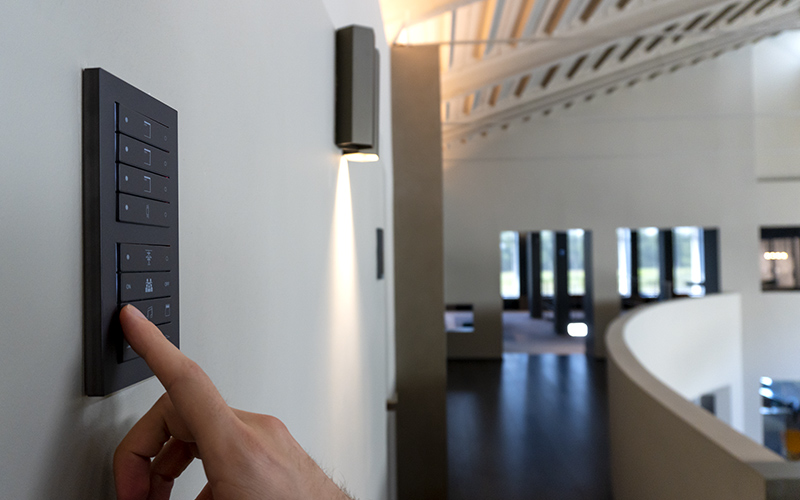
Simple answers to questions which may not be clear to everyone, like for instance “What does Home & Building automation actually mean”, “How can it help me spare”, “What does it allow me to achieve”.
FAQ
Ekinex Bus devices are equipped with the standars KNX terminal block connection; they are networked with a shielded and twisted bus cable.

FAQ
The following are some FAQs (frequently asked questions) about KNX products, collected upon recurrent questions that customer asked us.
.jpg)
FAQ
Discovering the KNX international standard, a system open to virtually all applications that home and building automation requires for the buildings of tomorrow.
FAQ
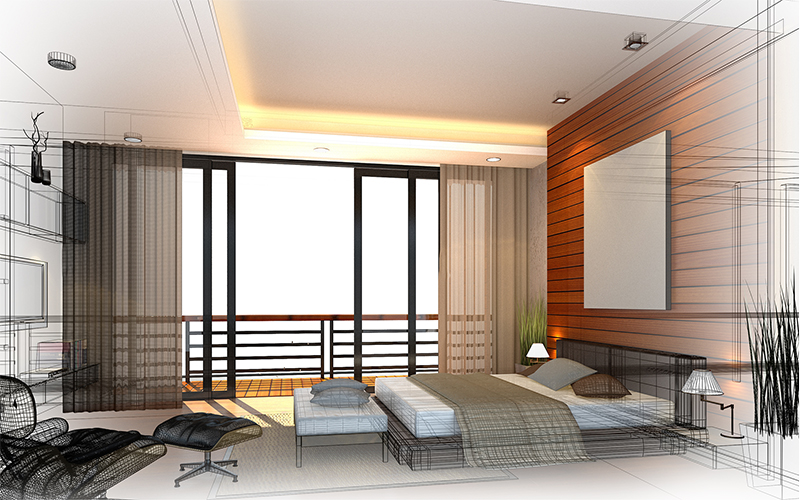
BIM stands for Building Information Modeling and indicates a methodology aimed at optimizing and managing the design and construction of a building.

FAQ
Ekinex devices can be configured and commissioned wiht the ETS software tool, available at the KNX online shop, together with the ekinex product database.
.jpg)
FAQ
The DALI (Digital Addressable Lighting Interface) protocol is an international standard for digital lighting control.
.jpg)

FAQ
An integrated home automation system with air quality sensors can constantly monitor humidity, CO2 and pollutant levels, automatically activating ventilation or air purifiers to ensure a healthy and comfortable environment.

FAQ
Invisible Player is a range of powerful acoustic energy transmitters that, when applied to surfaces, transform them into loudspeakers.

FAQ
Ekinex TV Lift are mechanisms designed to conceal the TV when it is not in use, providing minimalist aesthetics and optimising space. The range includes solutions for different needs, such as the Under Bed Lift TV system, which conceals the TV under
.svg)
 (2).png)
